
For many homeowners, our homes are more than just shelters—they are where we nurture family, host friends, and create the everyday rituals that make life meaningful. But as years pass, what we need from our homes changes. More and more, homeowners in Boise and beyond are asking not only, “Does this home reflect my style?” but, “Will this home support me as I age?”
This is the heart of future-proof design: creating a home that is as beautiful as it is practical—now and for decades to come. The best part? You don’t have to choose between comfort and style, or between safety and luxury. With the right approach, you can have it all.
You Don’t Have to Choose: Beautiful and Practical
The old narrative that “accessible” means “institutional” is long overdue for an update. Today, universal design—also known as aging-in-place or forever home design—has come into its own as a sophisticated, elegant approach to living. You no longer have to settle for grab bars that look like they belong in a hospital, or “senior-friendly” features that clash with your vision of a stylish sanctuary.
Designers specializing in aging-in-place solutions now work with a broad palette of beautiful, high-quality products:
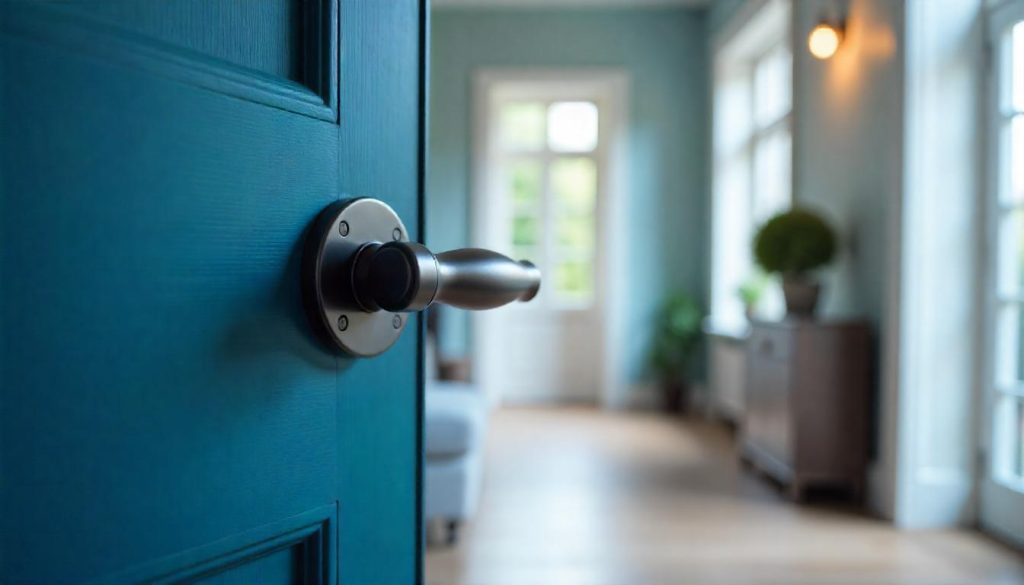
- Sleek lever handles in matte black or warm brass that add a modern touch and are easy to operate, even for arthritic hands.
- No-threshold showers with stunning tilework, elegant glass, and built-in benches that rival the best spa hotels.
- Integrated lighting that’s both functional and atmospheric, minimizing trip hazards and setting a mood.
When you plan for accessibility and comfort from the start, these features blend seamlessly into your home’s design narrative. The result: a space that’s warm, inviting, and ready for any stage of life.
Subtle Upgrades that Make All the Difference
You may be surprised how many “aging-in-place” features double as lifestyle upgrades that everyone can appreciate. Here are a few of the most impactful, yet subtle, ways to future-proof your home without sacrificing style:
1. Layered Lighting
As our vision changes with age, good lighting becomes even more important—but nobody wants a home that feels clinical. Consider:
- Dimmable, layered lights (recessed, under-cabinet, and task lighting)
- Nightlights along hallways and stairs for safe midnight navigation
- Touch or motion-activated fixtures for ease and energy efficiency
2. Elegant Hardware
Swapping round doorknobs for levers, or adding soft-close cabinet pulls, can make life easier for everyone—young children, older adults, or anyone with limited grip strength. Today’s market is full of options that are as chic as they are user-friendly.
3. Open, Flowing Spaces
Removing unnecessary thresholds and widening doorways not only improves mobility for wheelchairs or walkers, but also creates a more airy, spacious feel. Open-concept layouts remain timeless, and accessible hallways just make moving through your home more enjoyable for all.
4. Zero-Threshold Showers
Forget the “step up” bathtub—curbless showers are not only safer but feel more luxurious and modern. Add a built-in bench and an elegant hand-held shower wand for a daily spa experience.
5. Smart Technology
From voice-activated lighting to video doorbells and app-controlled thermostats, today’s smart tech supports independence, security, and comfort—while still blending in with stylish interiors.
“I Don’t Want to Move Again in 10 Years” vs. “I Want to Thrive Here”
Many clients share this honest truth: “I don’t want to move again in ten years. I want to make this my last move and truly enjoy it.” There’s a powerful difference between “staying put” and “thriving.”
Designing for the future isn’t about expecting decline—it’s about expecting change and preparing for all of life’s seasons with dignity and confidence.
- Aging-in-place is an act of optimism and self-respect.
- It’s choosing to be proactive, not reactive—to make thoughtful decisions now, so you aren’t forced into hasty, stressful ones later.
- It’s about wanting a home that feels like you at every age: stylish, comfortable, and welcoming.
Clients often report a sense of calm and relief after these upgrades, knowing they’ve invested in their own long-term happiness and well-being.
The Benefits of Starting Before You Need It
Why plan now, instead of waiting until a health event or mobility issue forces your hand? Here’s what you gain by starting your future-proofing journey before it becomes urgent:
1. Dignity & Independence
You maintain agency over your living environment, making changes on your own terms. This preserves your independence and self-respect—key ingredients for thriving at any age.
2. Peace of Mind
Both for you and your loved ones. Family and friends will know you’re safe and comfortable, and you’ll avoid the emotional and financial stress of last-minute renovations or rushed moves.
3. Smart ROI
Many accessibility upgrades have a positive return on investment:
- Homes designed with universal features appeal to a wider market if you ever do sell.
- Upgrades like better lighting, step-free entries, or accessible bathrooms are attractive to families with children, people with temporary injuries, or multi-generational buyers.
- Real estate data shows homes with future-proof design often spend less time on the market and may command higher sale prices.
4. Calm, Not Crisis
Most importantly, proactive planning lets you approach each stage of life with calm—not crisis. You’ll never have to scramble after a fall, illness, or other unexpected life event.
Real-Life Inspiration: The Legacy Living Approach
Take the example of the Martins, a couple in their early 60s who decided to remodel their Boise home. They loved their neighborhood, their garden, and their open-plan living room. But after watching friends struggle with moves forced by unexpected health challenges, they decided to make thoughtful changes now.
Working with a designer, they added:
- A stunning zero-threshold shower with non-slip mosaic tile
- Warm, adjustable lighting throughout the house
- Discreet but sturdy grab bars that doubled as towel racks in the bathroom
- Wider doorways with handsome lever handles
- An inviting, step-free patio entry to enjoy their garden for years to come
The result? Their home looks more beautiful than ever, feels even more welcoming, and gives them (and their children) total peace of mind about the future.
From Compromise to Thoughtful Luxury
The biggest shift in future-proof design is this: accessibility is now a mark of luxury, not compromise. The world’s best hotels and resorts feature curbless showers, lever handles, smart lighting, and easy-access layouts—not because they have to, but because it’s what everyone enjoys.
By embracing these features in your own remodel or new build, you position yourself at the cutting edge of design—creating a home that’s effortlessly livable, elegant, and future-ready.
Your Home, Your Legacy
Your home is more than an investment. It’s the backdrop for the life you love—and the legacy you leave. Designing for the next decade or two is a gift to yourself and to your family. It says, “I want to thrive here—not just today, but every day.”
Aging-in-place isn’t about anticipating decline—it’s about ensuring you are surrounded by comfort, beauty, and possibility, no matter your age or ability.
Ready to Take the Next Step?
If you’re curious about future-proofing your home, or want a trusted design partner to help guide the way, contact Design 55 Interiors. We’ll listen to your goals, walk you through thoughtful options, and develop a personalized plan for elegant, accessible living—now and for years to come.
Or, purchase a Workbook (coming soon) for inspiration, checklists, and stories from real clients who’ve transformed their homes (and their lives) with graceful, proactive design.
Design for comfort. Design for style. Design for every chapter of your life.
Let’s create a home you’ll love—today, tomorrow, and always.